Using a vintage handwritten bubble font for retro branding brings a playful, nostalgic feel to designs that stand out. These fonts mimic the look of hand-drawn letters from the 1950s and 60s thick, rounded, and slightly uneven, like they were scribbled on a chalkboard or painted on a diner sign. They work well when you want to evoke warmth, fun, and a sense of old-school charm.
What exactly is a vintage handwritten bubble font?
It’s a type of font that combines two traits: handwriting style and bubble-like shapes. The letters are drawn as if by hand, with slight variations in thickness and spacing. Each letter has a soft, rounded outline like a balloon or a bubble giving them a bouncy, friendly appearance. Think of it as a mix between a child’s doodle and a classic roadside sign.
When should you use this font for retro branding?
Use it when your brand wants to feel approachable and full of personality. It fits naturally in designs for:
- Summer festival posters
- Old-fashioned soda shop logos
- Children’s birthday invites
- Artisan coffee shop menus
- Custom t-shirts with quirky slogans
For example, a small ice cream truck might use this font to say “Scoop & Roll” on its side, making it feel like something from a 1950s neighborhood.
How do you pick the right vintage handwritten bubble font?
Not all bubble fonts are the same. Some are too bold, others too thin. Look for ones with consistent weight and clear legibility. Avoid fonts where the letters overlap or have tiny details that disappear at small sizes. Check how the font looks in different colors and backgrounds white text on a dark background often works better than black on light.
A good example is Chubby Bubbles, which balances roundness with clarity. It’s perfect for summer events and kids’ projects.
Common mistakes to avoid
One mistake is using the font for long paragraphs. These fonts are best for short phrases titles, slogans, or single words. Another is pairing it with overly modern fonts, like sleek sans-serifs. That creates visual noise. Stick to other retro-style elements: faded textures, pastel colors, or checkerboard patterns.
Also, don’t stretch the font too much. Distorting it can make it look unbalanced or cheap. Keep the proportions natural.
Real examples of what works
A local bakery called “Mama’s Dough” used a vintage handwritten bubble font for their logo and menu headers. The font matched their hand-painted signs and wooden tables, giving the whole space a cozy, homemade vibe. A preschool teacher used a similar font for classroom decor letters on walls that said “We Are Awesome!” and parents loved the cheerful tone.
If you’re designing a birthday invite for a kid, try a bubbly font that feels personal and joyful. You’ll find great options in the collection for children’s parties, where the fonts are tested for readability and fun.
Practical tips for using the font effectively
- Use uppercase letters for maximum impact lowercase can get lost in the curves.
- Pair the font with a simple background, like white paper or a light pastel.
- Limit your color palette to 2–3 colors that match the retro theme think red, yellow, teal, or mint green.
- Test print or view on mobile before finalizing. Small screens can distort the shape.
- Don’t use more than one font per design unless it’s a strong contrast (e.g., a clean serif with the bubble font).
Next steps: Try it yourself
Start with a simple project maybe a social media post for a weekend market or a handmade card. Pick a font that feels right for the mood. Then, experiment with layout and color. You don’t need fancy tools. Even free apps like Canva let you test these fonts quickly.
Check out the set designed for classroom walls if you’re working with kids. Or explore the bold version ideal for outdoor events. See what fits your vision and keep it simple. Sometimes the most effective designs are the ones that just feel right. Get Started
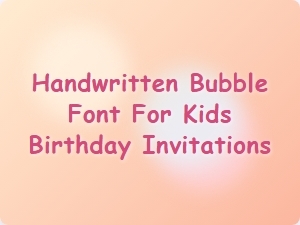 Handwritten Bubble Font for Kids’ Birthday Invitations
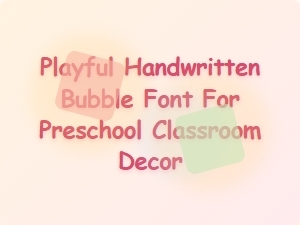 Playful Handwritten Bubble Font for Preschool Decor
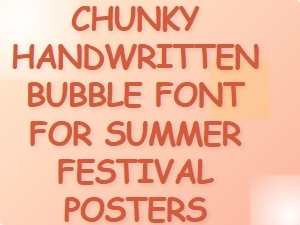 Chunky Handwritten Bubble Font for Summer Festival Posters
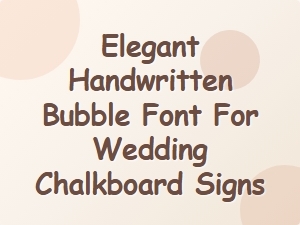 Elegant Handwritten Bubble Font for Wedding Chalkboard Signs
 Best Bubble Fonts for Preschool Learning Posters
 Best Bubble Fonts for Summer Camp Signage